

Engineering services
From concept geometry to the tenth engineering change order.
We design, analyse and optimise mechanical systems — and stay with them through change management, data migration, obsolescence and value engineering long after the first release.
Product design · Simulation · MBSE · Sustenance · Plant design · Cost engineering
01 — Where the cost actually sits
New product design is the visible part of mechanical engineering.
Sustenance is the expensive part.
Most mechanical engineering effort in a mature business is not spent drawing new geometry. It is spent on engineering changes, non-conformances, obsolete components, data migrations between CAD and PLM platforms, and cost pressure on designs that were released years ago.
We take both. Concept, design and analysis work for new products — and the unglamorous, high-volume change work that keeps existing products manufacturable, compliant and profitable.
Analysis is used to decide, not to decorate. CFD, thermal, fatigue and crash simulation exist to close a question before it becomes a physical prototype, and the assumptions behind each run are written down where the next engineer will find them.
Talk to Zealogics02 — What the work looks like
Geometry, analysis and the decisions behind them.
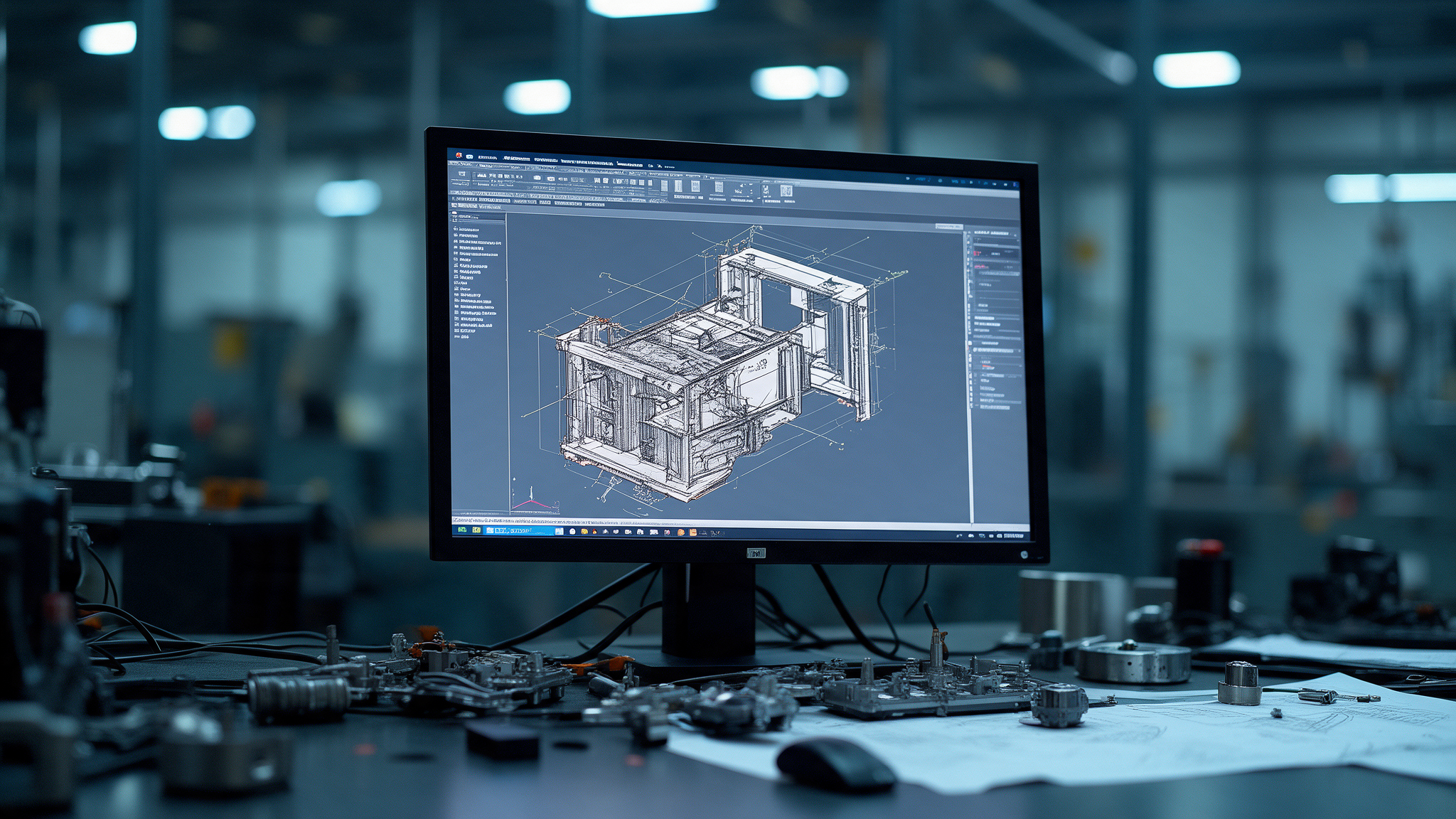
MODEL, SIMULATION, DRAWING, CHANGE RECORD.
03 — What the work covers
Six offerings, from first concept to end of life.
Domains we work in
Semiconductor equipment and SEMI-standard modules
Aerospace structures and MRO
Automotive body, interiors, seating and crash
Rail rolling stock, car body and interiors
Off-highway, heavy machinery and process plant
Electronics, healthcare, telecom and energy
Engineering toolchain
Product design and development
Concept through digitalisation — comprehensive design services, detailed modelling and drawing, reverse engineering of existing hardware, and the prototyping that proves it before tooling is cut.
Systems engineering
Model-based systems engineering and end-to-end product engineering, using MATLAB and Simulink to hold requirements, behaviour and architecture together across mechanical, electrical and software domains.
Engineering analysis and simulation
CFD, thermal, fatigue and structural analysis, crash simulation and optimisation studies — run to answer a design question rather than to produce a report.
Sustenance engineering
Engineering change management across ECR, ECO and ECN, data and platform migration between CAD, CAE and PLM systems, obsolescence management and value engineering on released designs.
Non-conformance and quality
Non-conformance assessment with corrective and preventive action, closing the loop between what the factory found and what the drawing says.
Plant, heavy machinery and cost engineering
Plant design and layout, 3D routing, safety and testing; heavy machinery system selection, structural optimisation, bolted joint analysis and fabrication design; should-costing, design to cost, DFMA and fast-track life cycle assessment.
04 — What the engagement produces
Six outputs, each one someone downstream is waiting for.
Mechanical engineering is judged by what manufacturing, quality and service can do with it — not by the model tree.
01
Released design package
Models, drawings, GD&T and tolerance stack-ups a supplier can quote and a factory can inspect against.
02
Analysis evidence
Simulation results with the loads, assumptions and boundary conditions recorded, so the run can be repeated when the design changes.
03
Change records that close
ECR, ECO and ECN handled to completion across the affected documents, BOMs and downstream systems — not raised and left open.
04
Migrated engineering data
CAD, CAE and PLM migrations executed with the metadata, structure and revision history intact rather than flattened.
05
Cost and DFMA study
Should-cost and design-to-cost analysis with the specific geometry and process changes that move the number.
06
Non-conformance closure
Disposition, root cause and preventive action, written back into the design so the same deviation does not return next build.
05 — How the work runs
Five stages, with the last one lasting the longest.
The first four take months. The fifth runs for as long as the product is in production and in service.
Concept
Requirements, ideation, layout studies and the feasibility questions worth resolving before detailed design.
Design
Detailed modelling, drawings, GD&T, tolerance stack-ups and design for manufacture and assembly.
Analyse
Structural, thermal, fatigue, CFD and crash simulation run against the design as it develops.
Validate
Prototype build, test correlation against the analysis, and the design changes that follow.
Sustain
Engineering change, non-conformance, obsolescence, migration and value engineering for as long as the product ships.
06 — One lifecycle, one owner
The team that designed it is the team that changes it.
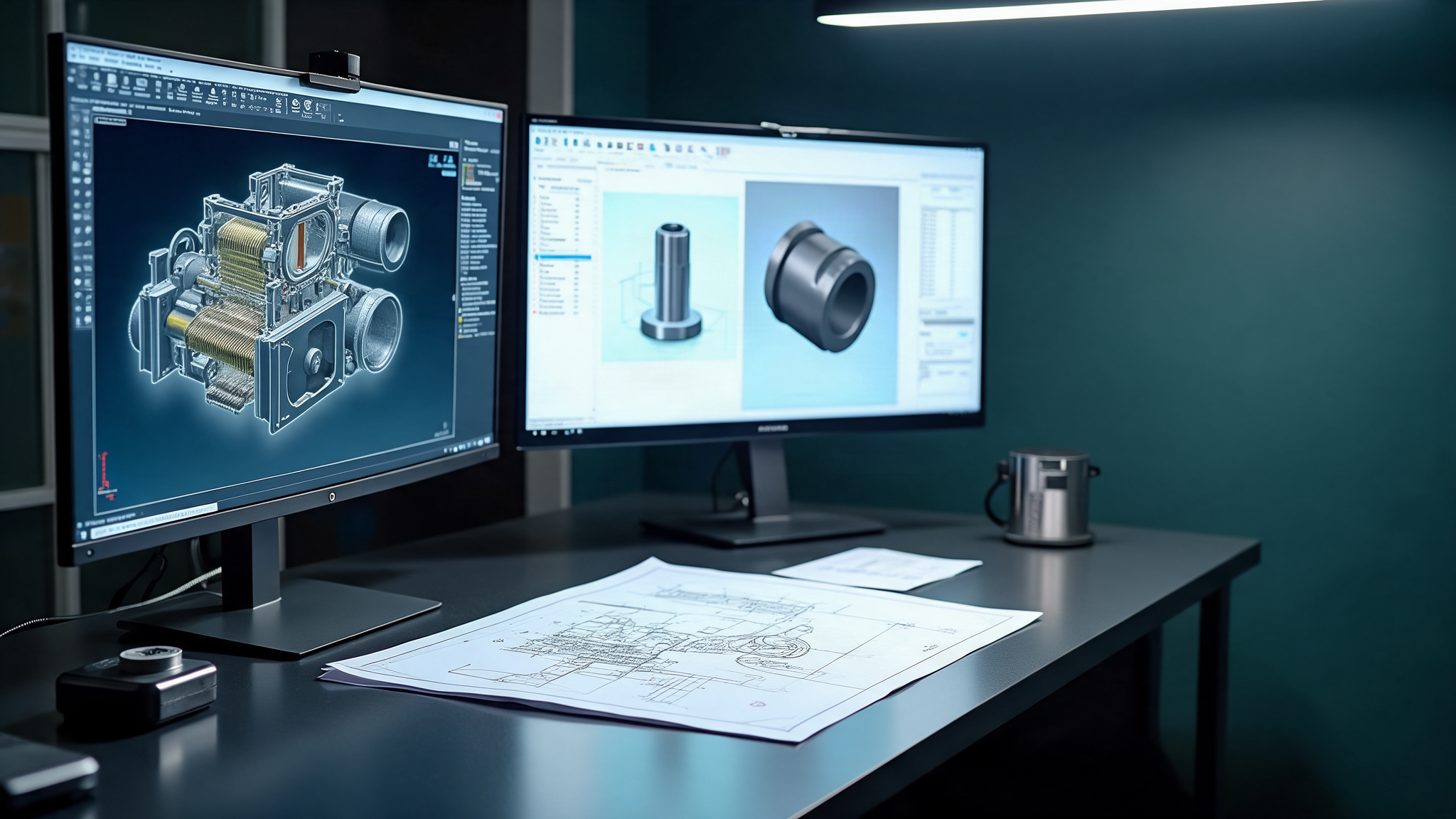
CONCEPT · DESIGN · ANALYSIS · VALIDATION · SUSTENANCE.
07 — Sound familiar?
The conversations that start this work.
“Our change backlog is longer than our new product backlog.”
Sustenance engineering
“We are moving CAD and PLM platforms and cannot lose the history.”
Data and platform migration
“The design is right and it costs too much to build.”
Value engineering and DFMA
“The same non-conformance keeps coming back on every build.”
Non-conformance and CAPA
“We need analysis we can defend, not a colourful plot.”
Engineering simulation
“Requirements live in a document and nowhere in the model.”
Model-based systems engineering
08 — The rest of the practice
Five more engineering disciplines.
Programmes rarely stay inside one discipline. A tool that needs embedded firmware usually needs the mechanics, the harness and the line that builds it too.
Embed
Embedded Systems
Turn a product concept into hardware and the firmware that runs it — schematics, layout, bring-up, certification and the years of sustenance after.
Explore
Connect
Factory Automation
Equipment software, SECS/GEM and GEM300 integration, EAP and MES connectivity, manufacturing data — and the intelligence layer built on top of them.
Explore
Design
Silicon Engineering
Full-chip design across ASICs, SoCs, FPGAs and chiplets — architecture, RTL, verification, DFT, analog and physical design through tape-out and post-silicon validation.
Explore
Route
Electrical Engineering
Wiring harness design, 3D routing, schematics, bundling and segregation, power distribution and the build support that gets a harness onto the shop floor.
Explore
Build
Manufacturing
PCB, turnkey, box build, harness and cleanroom assembly under the same engineering ownership as the design — with the test capability to prove what shipped.
Explore
Have a problem worth solving?
Bring us the backlog, not just the new programme.
Whether it is a product to design, a simulation to defend or a change queue nobody has the capacity to clear, we scope to the work in front of you.